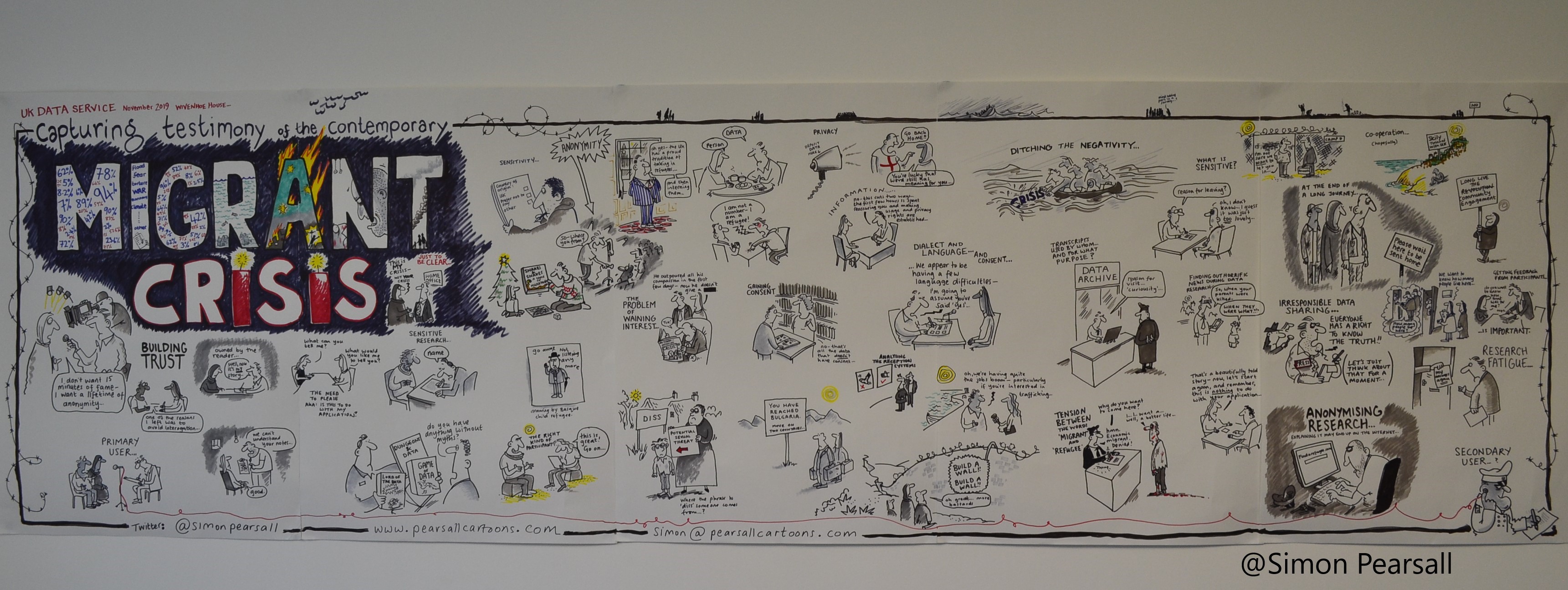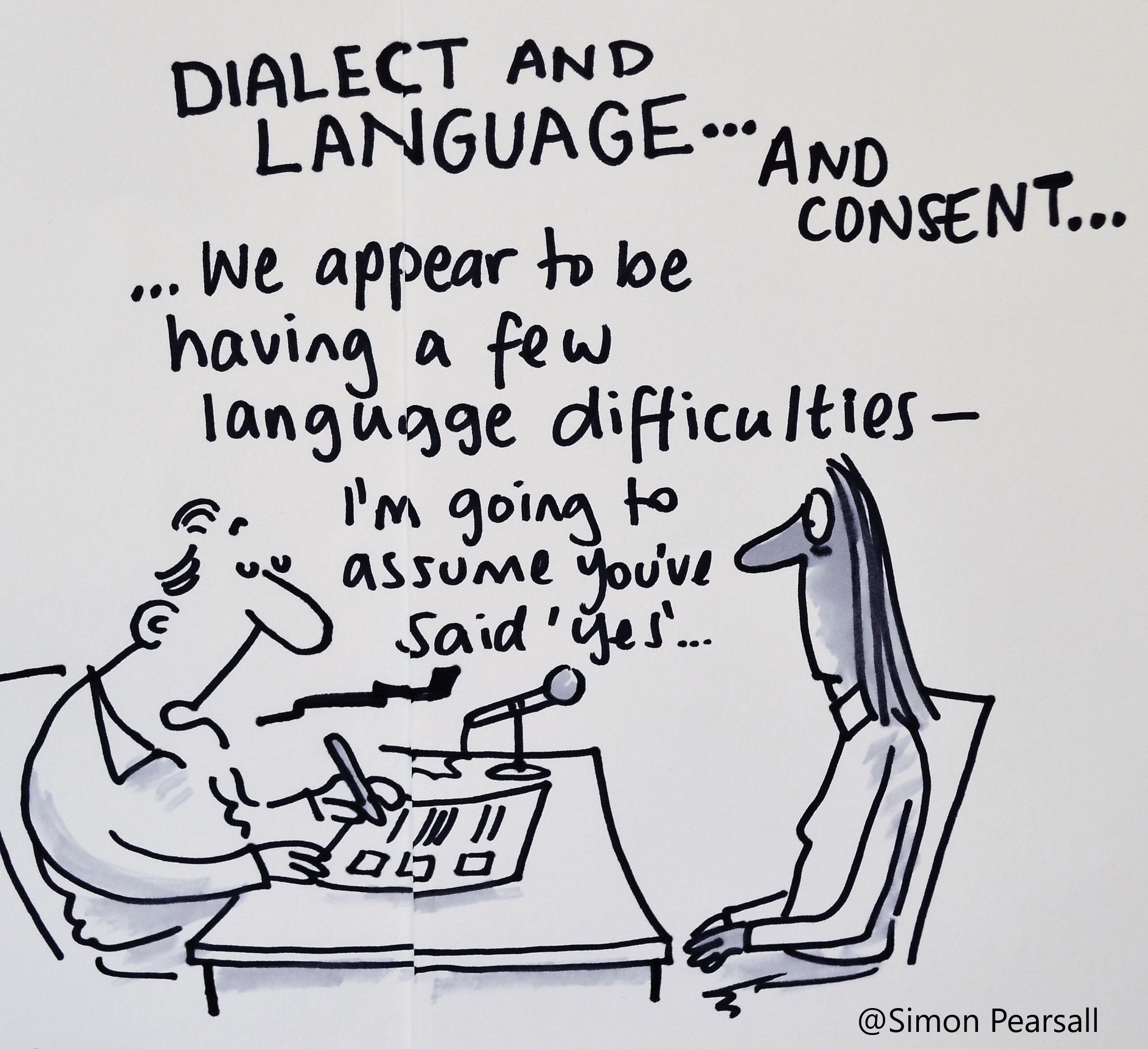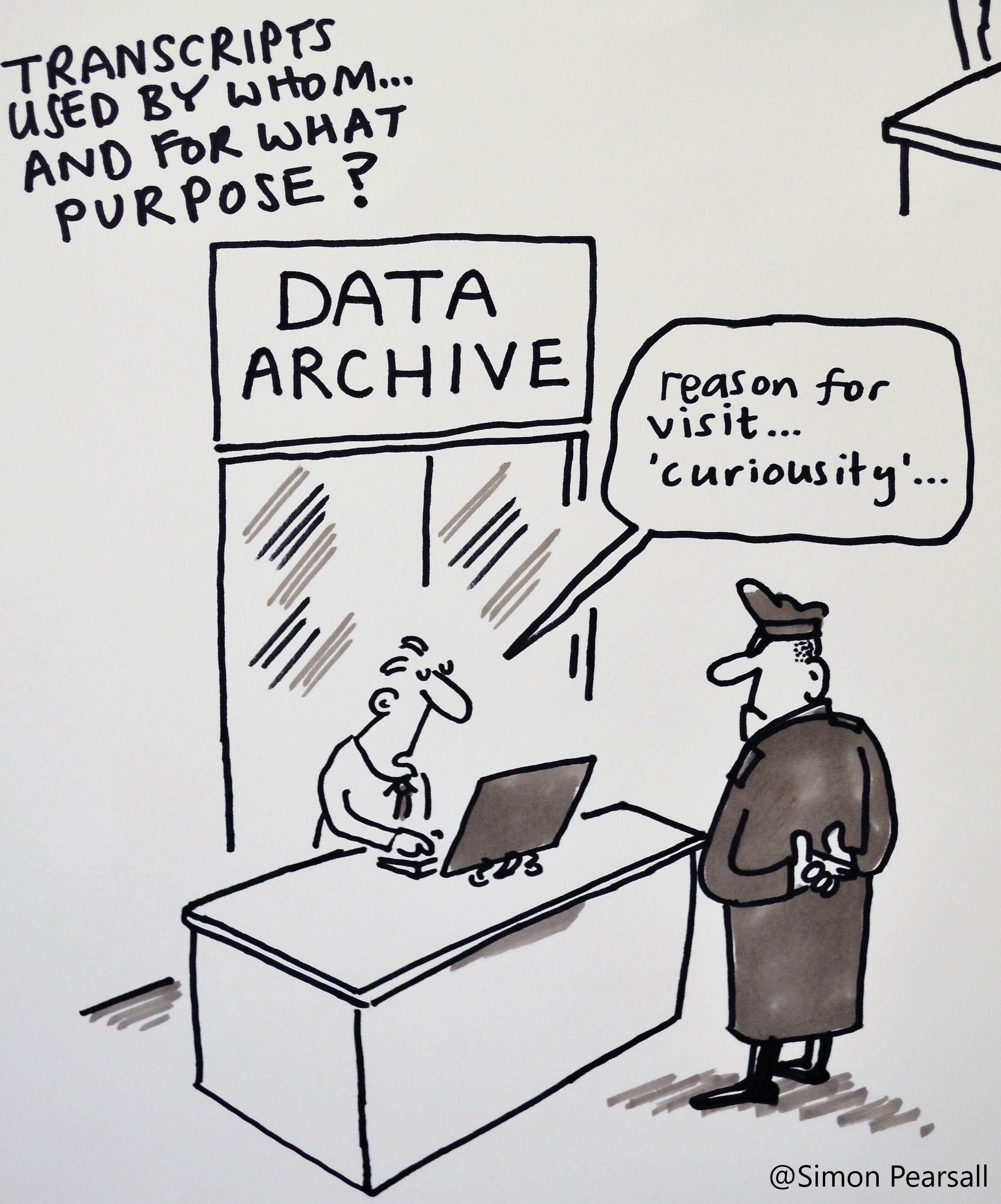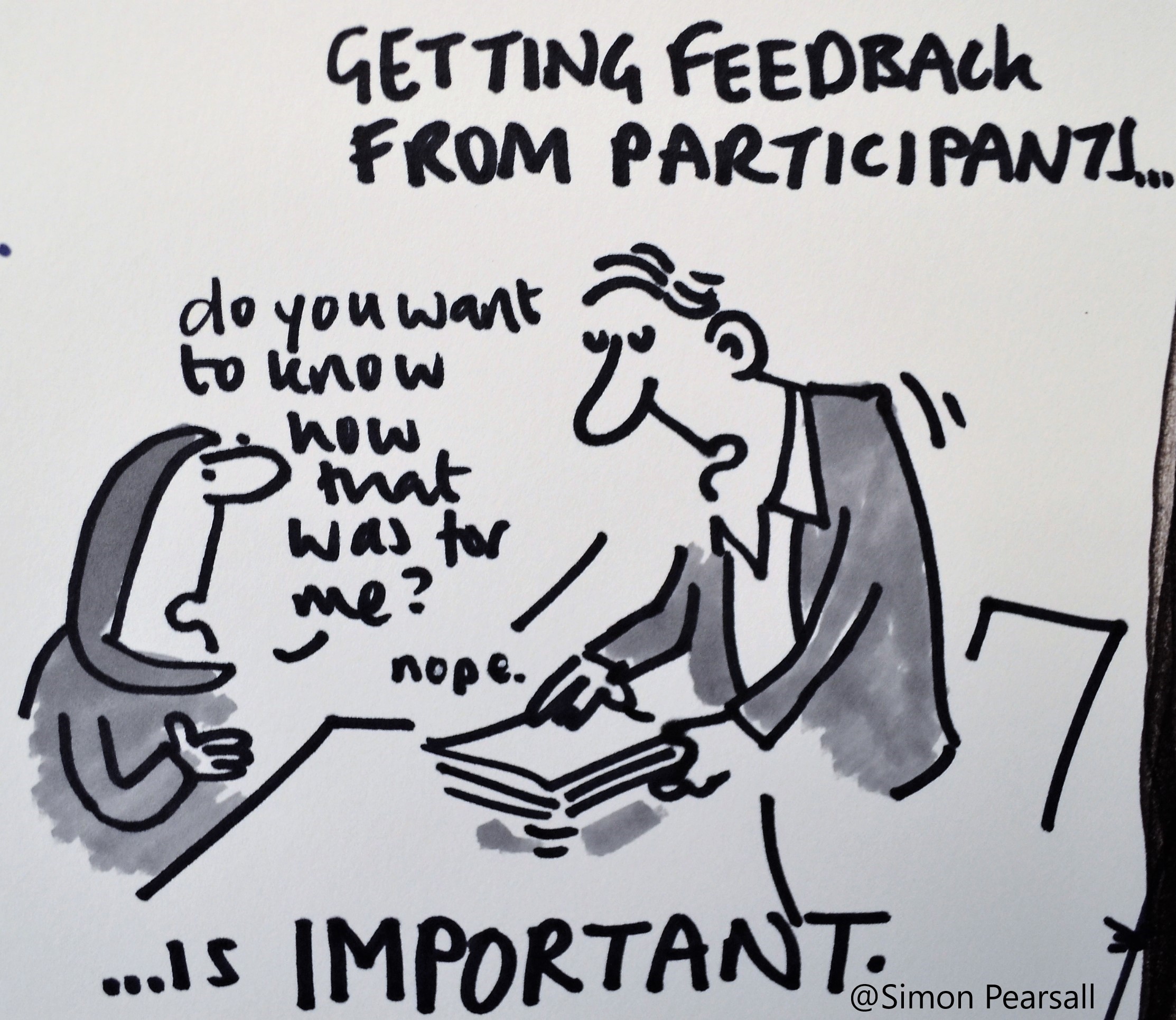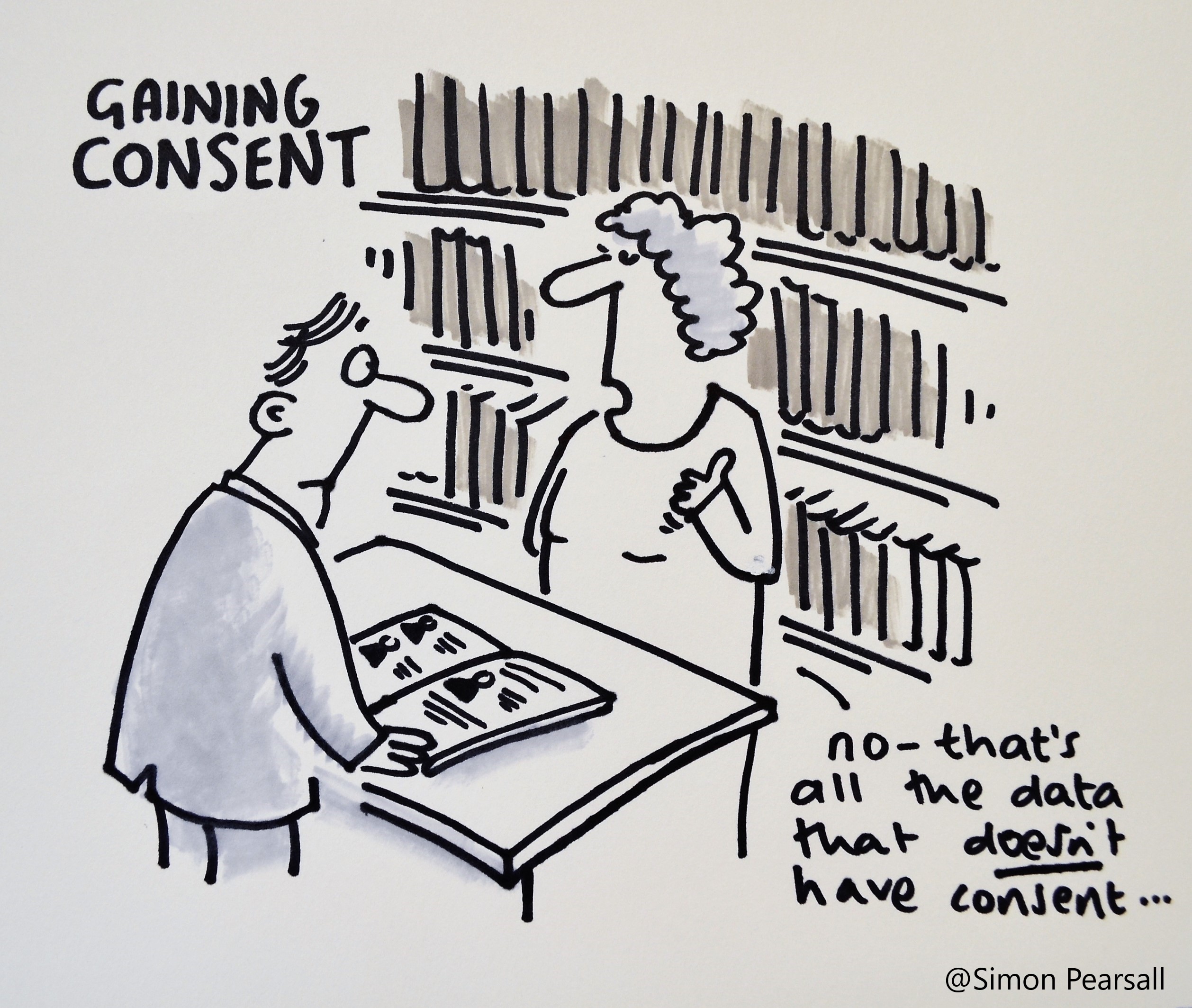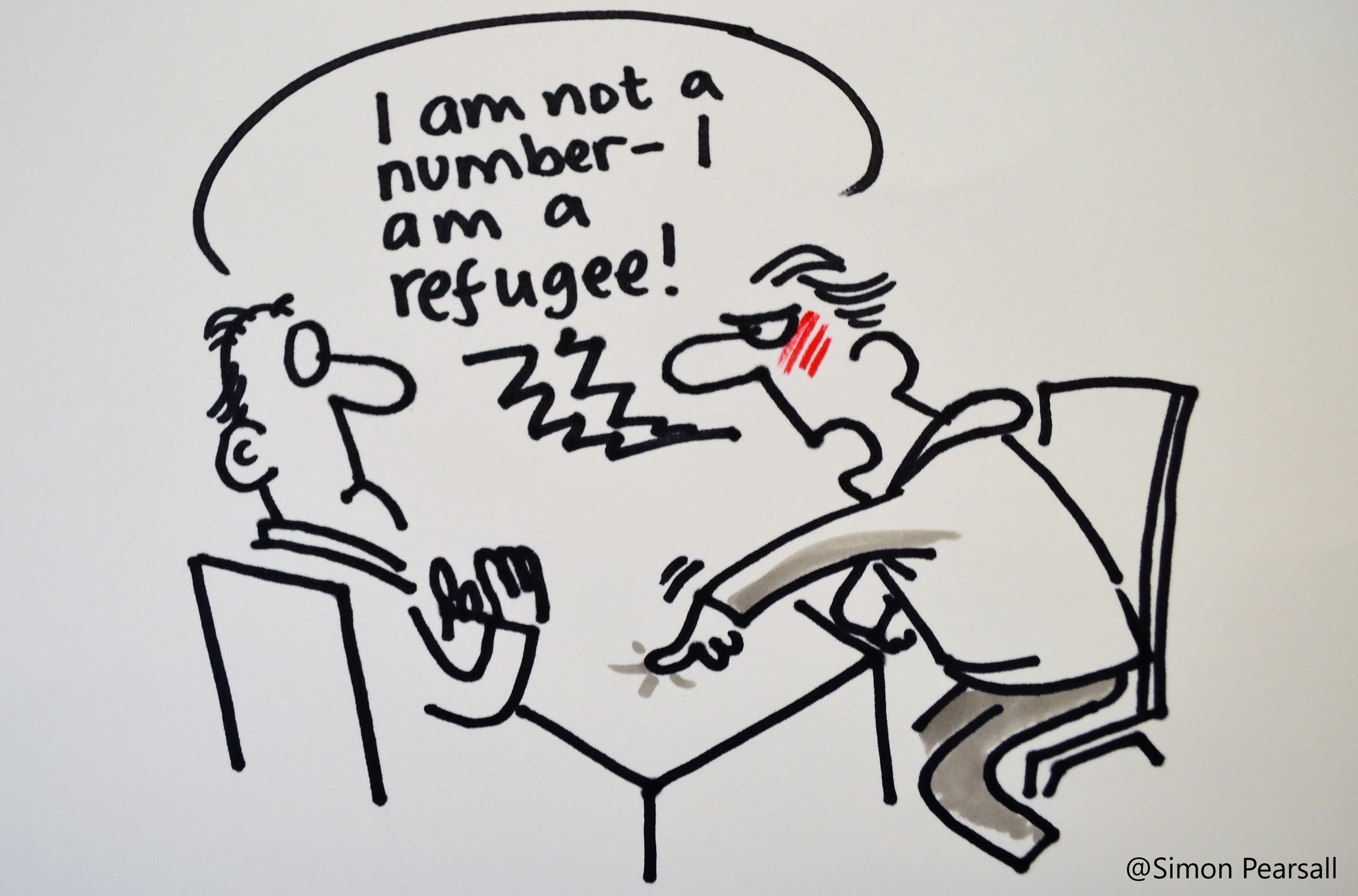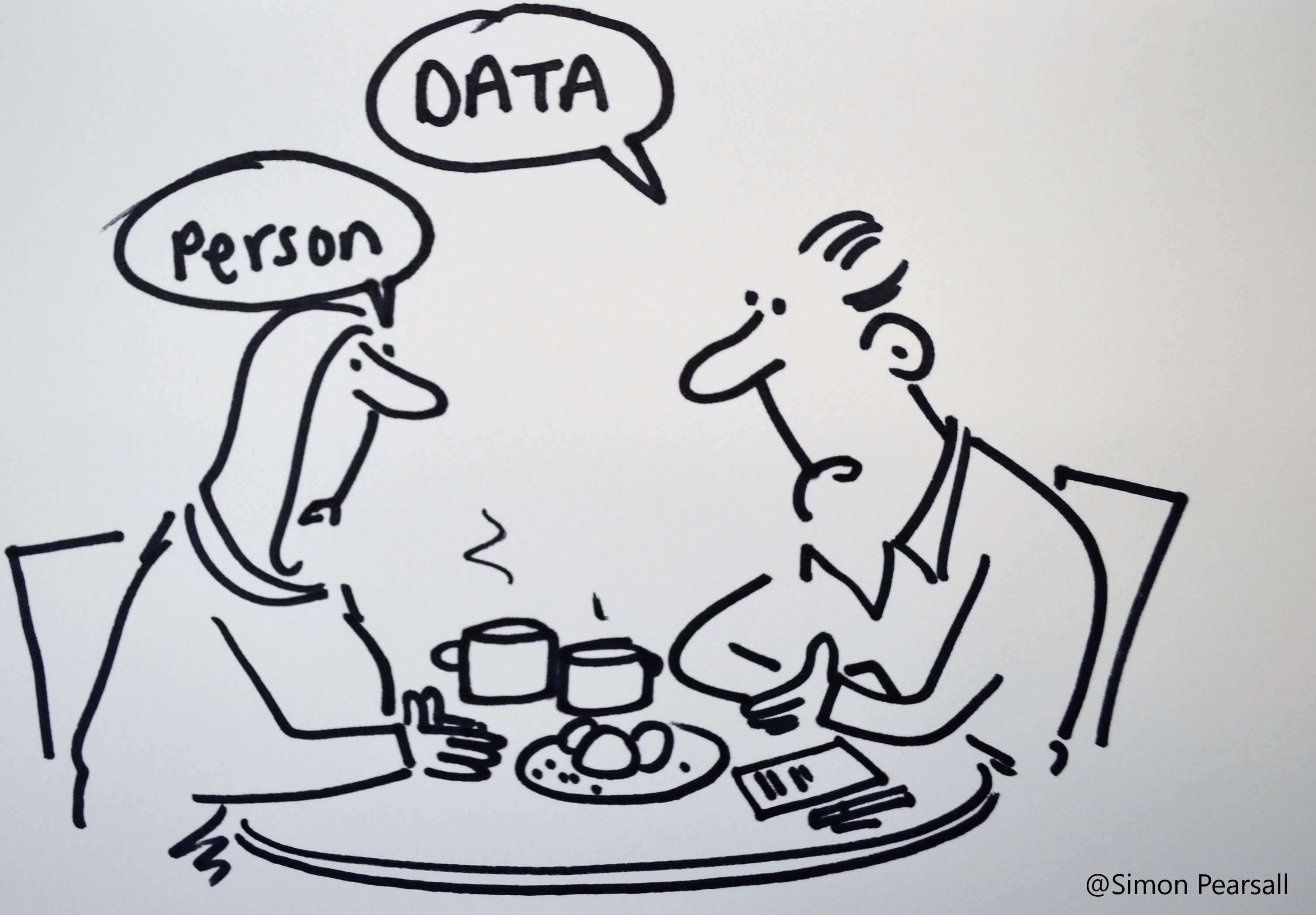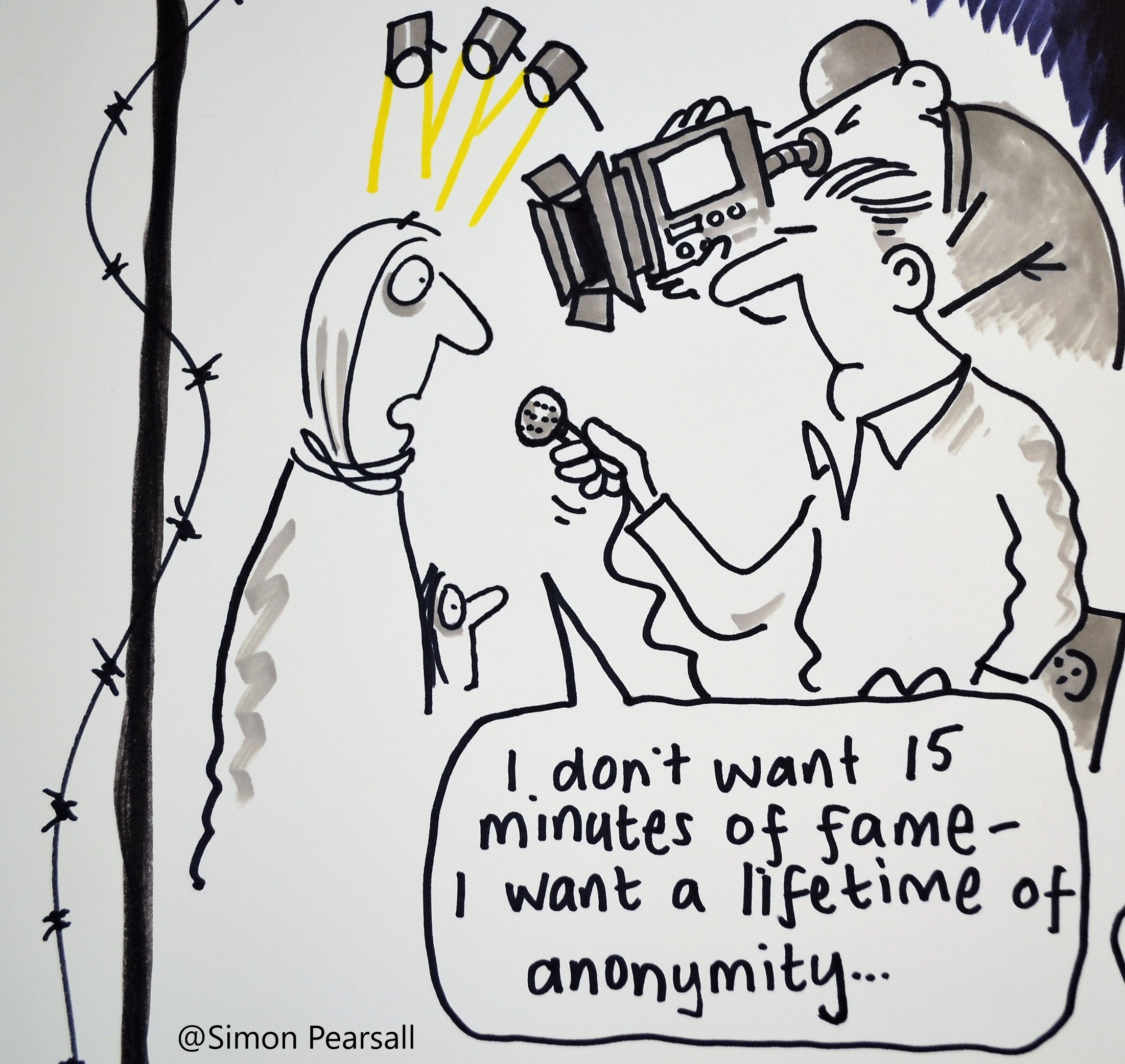
Sharing and archiving qualitative research data for future reuse often poses ethical challenges in research with vulnerable participants and on sensitive topics. Personal stories told may be impossible to anonymise. Research participants from different cultural backgrounds may have a different understanding of ethical principles and consent, which complicates the consent procedures UK-based researchers may be familiar with. At the same time, also qualitative research data provide valuable evidence and often unique resources for future research and policy making. And even vulnerable research participants may want their voices heard beyond the primary research.
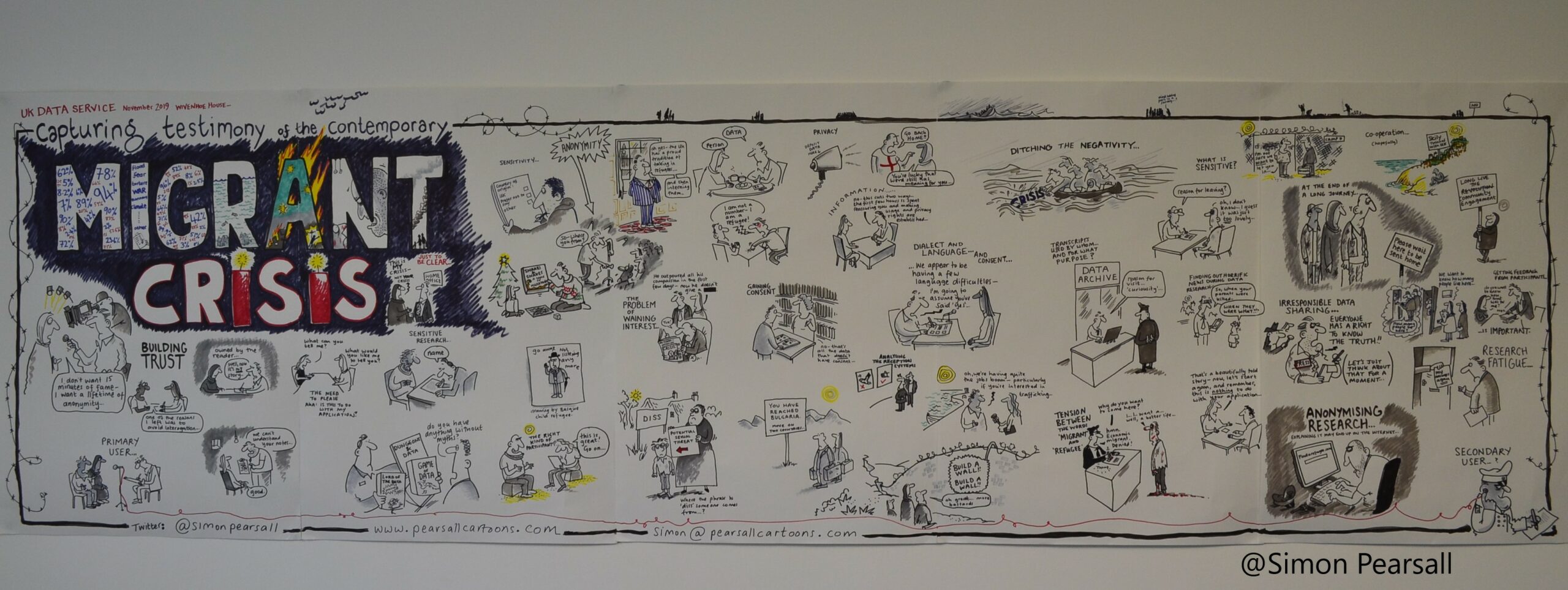
Using migration research as a case study, this seminar brings together various stakeholders to discuss the complexities and opportunities of sharing, archiving and reusing qualitative data in an interactive way. Based on views and experiences shared by researchers, research participants, migrants and their representatives and spokespeople, group discussions will aim to develop practical guidelines for sharing and archiving qualitative data for future reuse.
This seminar is organised by the UK Data Service and funded by the Global Challenges Research Fund.
Event resources
Programme| Presentation: Reusing community oral histories to explore the history of postcolonial migration to Rotterdam, Norah Karrouche| Presentation: Lived Experiences, “Moving Memories” and the Refugee Archive: The Ethics of Archiving and Oral History in the Preservation and Re-use of Migration Data, Paul Dudman| Presentation: GEMM Project: WP4. The lived experiences of migration, Darena Hristozova| Presentation: MEDMIG: Challenges, possibilities and opportunities for sharing migration data for reuse, Katharine Jones| Presentation: Update on an Anthropological investigation of the ‘Migration Crisis’ in the Mediterranean, Giorgios Tsimouris| Presentation: Researching the “Refugee Crisis”: Ethical challenges, responsibilities and opportunities, Eleonore Kofman, Alessio D’Angelo, Dora Papadopoulou, Elio Tozzi| Presentation: Citizen Scientists as stewards of community knowledge in Hamra, Beirut, Mayssa Jallad| Presentation: Research at the Refugee Council, Nina Moraitou-Politsi| Presentation: The Archive of Migrant Memories, Giulia Sbaffi| Presentation: Research Participants Perspective, Shakir Syed| Presentation: Fatal Journeys Volume 4: Missing Migrant Children, Ann Singleton See: Chapter 4. ‘Ethical considerations surrounding research on missing migrant children’ by Samuel Okyere| Presentation: Memorials to people who have died and to those missing during migration: a global project, Ann Singleton| Presentation: IOM’s Missing Migrants Project: Mediterranean pages, Ann Singleton| Presentation: Last Rights Project: the Mytilini Declaration, Ann Singleton| Video: Beyond the walls, presented by Giulia Sbaffi| Video: Transitory Lives, presented by Giorgios Tsimouris, (Realized and captured by Dimitris Lambridis & Thomas Kunstler)| Cartoon: Image, Simon Pearsall| Cartoon: Image, Simon Pearsall| Cartoon: Image, Simon Pearsall| Cartoon: Image, Simon Pearsall| Cartoon: Image, Simon Pearsall| Cartoon: Image, Simon Pearsall| Cartoon: Image, Simon Pearsall| Cartoon: Image, Simon Pearsall| Cartoon: Image, Simon Pearsall| Cartoon: Image, Simon Pearsall